
The Sable Wharf shares practical, down-to-earth guidance on uk inland waterways and waterside living for readers across the UK.
- 0123456789
- Angle Bd Abdelmoumen & rue soumaya, Résidence
- [email protected]
The Sable Wharf shares practical, down-to-earth guidance on uk inland waterways and waterside living for readers across the UK.
 By Oliver Bramley
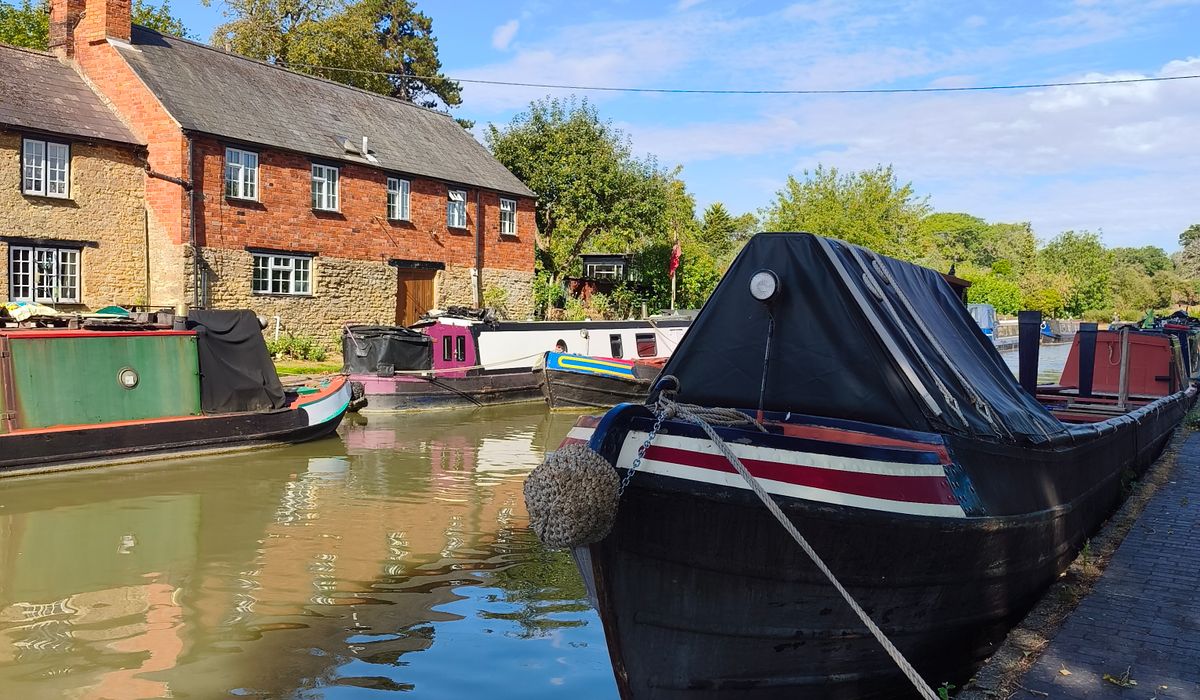
Your boat's hull is its first line of defence against the water it floats in. Whether you cruise the Grand Union Canal or potter along the River Avon, regular checks help you spot trouble before it becomes a costly yard bill. Here's how to give your hull a thorough once-over, whether you're peering over the side from the towpath or hauling out for a proper look.
Aim to inspect your hull at least twice a year — once in spring before the cruising season, and again in autumn before the frosts arrive. You should also check after any grounding, bump in a lock, or scrape against a submerged obstacle. If you notice the boat sitting lower in the water, taking on water in the bilges, or feeling sluggish, that's a prompt for a closer look.
From the bank, you can see the waterline and upper hull. A dinghy or paddleboard gives you a better view of the sides. But for a truly thorough inspection, you need the boat out of the water — either on a slipway, in a dry dock, or on hardstanding. That's when you can check the full hull, including the keel, bow, and stern gear.
Most inland waterways boats have steel hulls, and rust is their constant enemy. Look for orange-brown streaks, flaking metal, and rough patches. Surface rust is common and manageable, but pitting — small, deep craters — is a warning sign. Pitting can weaken the hull and lead to leaks if left untreated.
Tap the hull gently with a small hammer. A clear ringing sound suggests solid metal; a dull thud may indicate thinning or delamination. Pay close attention to welds, the bow and stern, around anodes, and under the rubbing strake. These areas trap moisture and are prone to corrosion. If you find deep pitting or large areas of rust, note them for a professional survey.
On GRP hulls, look for blisters — small, raised bumps under the gelcoat. They can weep a vinegar-smelling fluid and are a sign of osmosis. While not immediately dangerous, they weaken the hull over time and should be treated. On steel hulls, check the blacking (bitumen or epoxy coating). It should be intact and well-bonded. Look for flaking, cracking, or bare patches where rust has taken hold.
Scrapes from locks, bridges, and towpath edges are common. Any damage that exposes bare metal or fibreglass needs attention. Before inspection, pressure-wash the hull if possible — it reveals the true condition of the coating and makes flaws easier to spot. If blacking is thin or missing in patches, rust will follow quickly.
Sacrificial anodes protect your hull from galvanic corrosion. Check them at every haul-out. If more than half has wasted away, replace them. Also inspect skin fittings, seacocks, and the propeller shaft for corrosion, leaks, or loose connections. A dripping seacock or a corroded fitting can sink a boat just as surely as a hole in the hull.
The waterline is the most vulnerable zone — constantly wet and dry, exposed to debris and ice. Look for staining, cracks, and damage from impacts. On steel boats, the waterline is where blacking wears fastest. On GRP, it's where blisters often start. Run your hand along it; any roughness or soft spots deserve a closer look.
If you find deep pitting, extensive rust, multiple blisters, or you're simply unsure, book a dry dock. It's better to spend a day on the hard than to risk a leak or a costly emergency repair. A professional yard can carry out ultrasonic testing on steel hulls to measure thickness accurately — something you can't do by eye alone.
Prepare for the dry dock by removing loose items, emptying water tanks if practical, and noting any areas of concern. Ask the yard to pressure-wash and inspect the hull while it's out. If repairs are needed, get a written quote and agree on the coating system — whether that's traditional blacking or a modern epoxy. And if you're not confident in your own assessment, there's no shame in calling in an expert. A second opinion now can save you thousands later.


We are not gonna make spamming
