
The Sable Wharf shares practical, down-to-earth guidance on uk inland waterways and waterside living for readers across the UK.
- 0123456789
- Angle Bd Abdelmoumen & rue soumaya, Résidence
- [email protected]
The Sable Wharf shares practical, down-to-earth guidance on uk inland waterways and waterside living for readers across the UK.
 By James Whitcombe
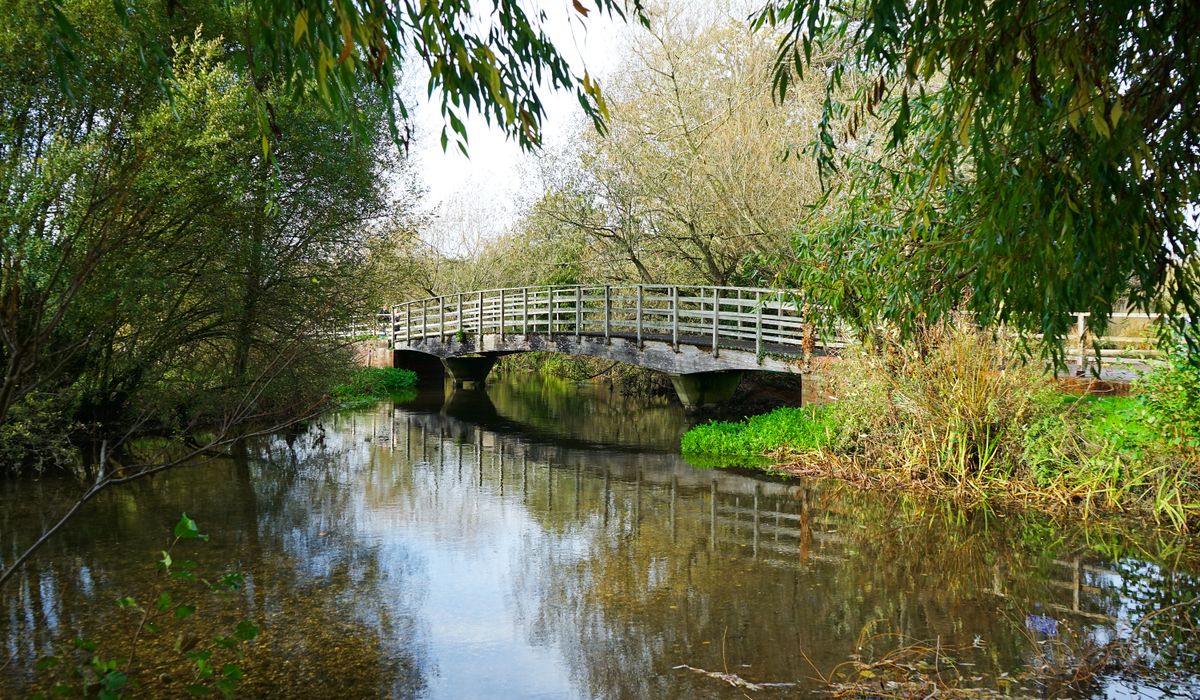
For most of the inland network, water levels are managed and the only surprises come from heavy rain or a lock keeping you waiting. Cross the last non-tidal lock, though, and the river becomes a different creature. Downstream of Teddington on the Thames, Cromwell on the Trent, Naburn on the Yorkshire Ouse, Diglis on the Severn and Denver on the Great Ouse, the sea is in charge.
Twice a day the flow reverses. Water that was running seawards suddenly runs inland, rising and falling by anything from a metre on a gentle upper reach to seven metres or more on the Severn estuary. You will be cruising on water that is moving under you, sometimes faster than your boat can manage, and the depth beneath your keel can change by half a metre while you eat a sandwich. None of this is frightening once you understand it. All of it is dangerous if you don't.
A tide table is not a weather forecast; it is a precise prediction of astronomical tides, and it is remarkably accurate as long as you read it properly. Start with the obvious traps.
Write your passage plan down. Two or three key times on a scrap of paper beside the chart plotter is worth more than a head full of numbers.
Tides swell and shrink on roughly a fortnightly cycle. Spring tides, at new and full moon, give the greatest range; neap tides, around the half moon, the least. On a tidal river this can mean the difference between comfortably clearing a bridge and not fitting under it at all.
An old rule of thumb worth knowing is the rule of twelfths. Over roughly six hours of rising or falling tide, the water moves about one twelfth of the range in the first hour, two twelfths in the second, three in the third, three in the fourth, two in the fifth and one in the sixth. It is not exact, but it is close enough to tell you that the middle hours are where the water is moving fastest, and the hours either side of high and low water are the quiet ones. That is where your planning should start.
Most of the skill in tidal cruising is in the timing, and the guiding principle is simple: be where you need to be at slack water. Locks, narrow bridge arches, shallow cuts and tight bends are all far easier when the tide has stopped pushing.
Beyond that, work with the flow rather than against it. A boat that makes 6mph on still water might manage 9mph on a fair tide, or 3mph punching a spring ebb. On a long reach that is the difference between a pleasant morning and a very long one.
Assume you need more water than your draft suggests. A useful working figure is to add at least half a metre, and ideally 30 per cent, to your draft when checking depths on a tidal river. Silt shifts, soundings are old, and a swell or a boat's wash will lift and drop you.
Lock sills catch people out constantly. The sill is the lip of masonry at the entrance, and it is often shallower than the reach you have just crossed. If in doubt, wait — the tide will lift you over it within the hour. Call the lock keeper on the radio or phone and ask for the depth over the sill before you commit.
Mooring afloat is another tide-specific skill. On a rising tide, leave plenty of slack in your lines so the boat can rise without hanging; on a falling tide, check she will not be left sitting on the wall. Floating pontoons are far kinder than fixed quaysides. Take a moment to look at the tide mark on the wall — that stain tells you exactly how much water is coming.
Rain upstream changes everything. A spate can raise levels, speed the ebb, sweep debris downstream and flatten the tidal curve so that predicted heights no longer match reality. Strong winds blowing up a wide estuary can hold the water back or pile it up. If it has rained hard for two days, treat the tide table as a guide rather than a promise.
Finally, talk to people. Lock keepers, harbour masters and the crews moored alongside you know their river in a way no table can capture. Ask about the best hour to leave, where the shallow patches are and what the tide is really doing this week. On tidal water, local knowledge is the cheapest safety equipment you will ever carry.


We are not gonna make spamming
