
The Sable Wharf shares practical, down-to-earth guidance on uk inland waterways and waterside living for readers across the UK.
- 0123456789
- Angle Bd Abdelmoumen & rue soumaya, Résidence
- [email protected]
The Sable Wharf shares practical, down-to-earth guidance on uk inland waterways and waterside living for readers across the UK.
 By James Whitcombe
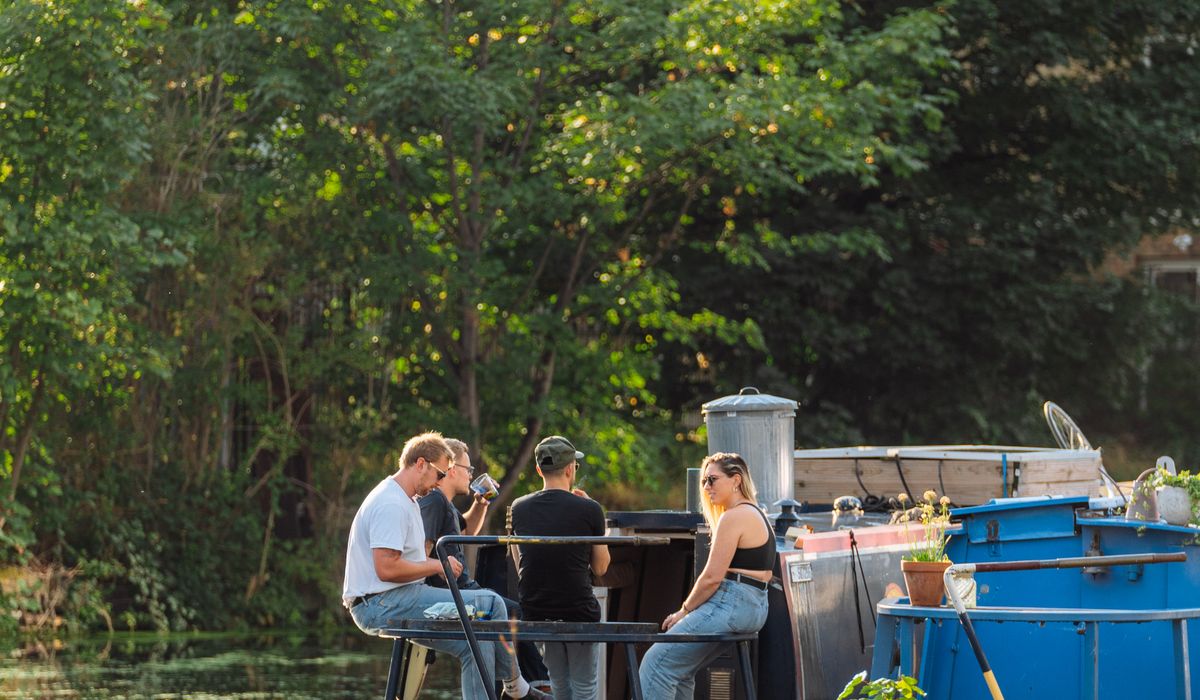
Living on a narrowboat or a wide beam is not simply life in a smaller house with a nicer view. The water beneath you changes temperature, the daylight shifts by hours, and the towpath empties and fills in a rhythm you learn to read. Boaters talk about the season almost as a fifth crew member: something to be planned around, worked with, and occasionally grumbled about over a mug of tea. Get the seasonal routine right and life afloat is genuinely comfortable all year round. Get it wrong and January will let you know.
What follows is a practical walk through the boating year, from the first bright mornings of spring to the frost that creeps across the cratch cover.
Spring is the busiest time on the waterways, and for good reason. This is when the boat comes out of its winter survival mode and gets ready for the cruising months ahead.
Water tank levels and canal temperatures rise, the fire goes out for the last time, and suddenly you are eating dinner on the stern deck again. It is worth taking a weekend to do nothing but enjoy that first balmy evening — it is why most of us chose this life.
Summer is the season everyone imagines, and it delivers — with a few practical wrinkles. Daylight lasts until nearly ten o'clock, so you can cruise late, cook outside, and watch the herons settle. But the waterways get busy.
Popular visitor moorings near towns and villages fill by mid-afternoon, so plan your day around arriving earlier than you think you need to. Weekend traffic around locks can mean queues, and the towpath becomes a social space rather than a quiet one.
Many liveaboards take a summer mooring or join a marina for a few weeks, partly for the shore power and partly for the chance to leave the boat and go on holiday like normal people. There is no shame in it.
Autumn is the most underrated season afloat. The light is golden, the hire fleets thin out, and the waterways return to the people who live on them. It is also the season of getting ahead.
This is when you sweep the chimney, order your winter fuel, and check the stove door seals and fire bricks. Book a coal or smokeless fuel delivery before the first cold snap, because everyone else will be doing the same thing in November. Replace the batteries in your smoke and carbon monoxide alarms, and test the gas detector.
Insulation now saves money later. Fit thermal curtains or lined blinds, draught-proof the front doors with brush strips, and consider secondary glazing film for the windows you never open. Service the central heating or diesel heater before you need it, not after it fails on a frosty Sunday.
Winter afloat is entirely manageable, and many boaters quietly prefer it. The canal is still, the towpath is yours, and the stove makes the cabin the cosiest place in Britain. But it demands attention.
The trick to seasonal living afloat is thinking a few weeks ahead. In July, order your coal. In October, service the engine. In February, plan the spring paint job. Boaters who stay comfortable are rarely the ones with the biggest budgets — they are the ones who keep a list.
And keep a few small luxuries in reserve: a hot water bottle, a good book, a spare torch, and a neighbour on the next mooring who will check your boat when you are away. The seasons will turn regardless. With a bit of planning, each one offers something the others cannot.


We are not gonna make spamming
