
The Sable Wharf shares practical, down-to-earth guidance on uk inland waterways and waterside living for readers across the UK.
- 0123456789
- Angle Bd Abdelmoumen & rue soumaya, Résidence
- [email protected]
The Sable Wharf shares practical, down-to-earth guidance on uk inland waterways and waterside living for readers across the UK.
 By Eleanor Hartley
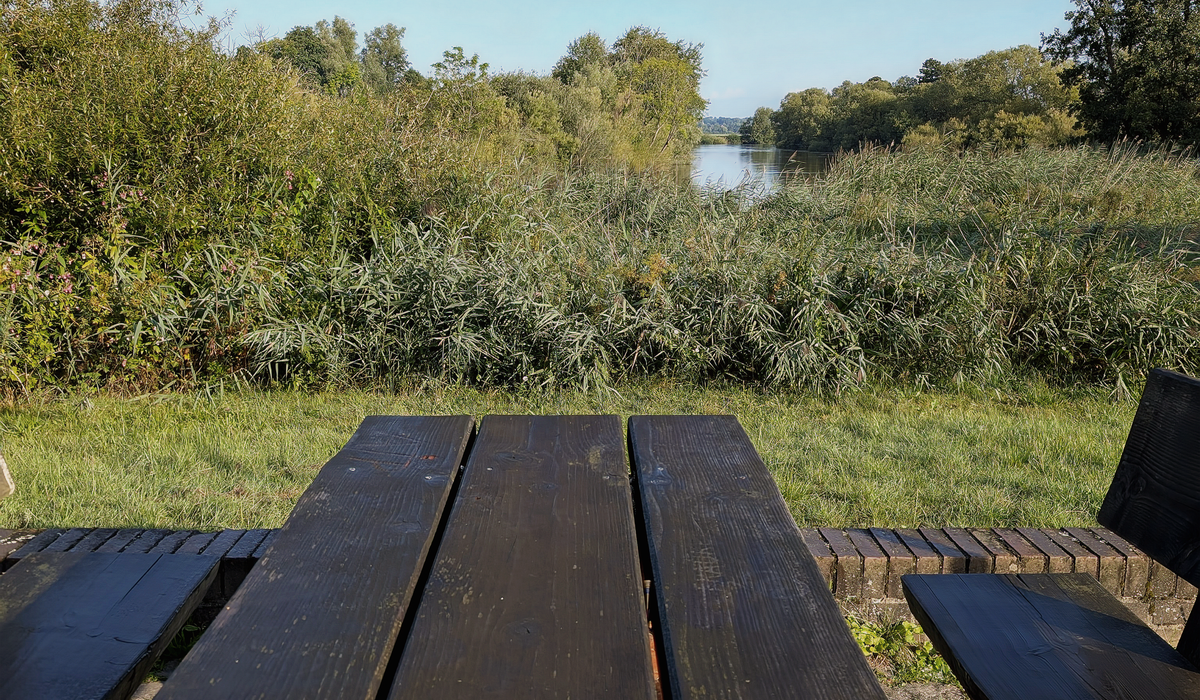
There is a particular magic to slipping into a quiet British river on a warm summer's evening. The water is cool, the banks are green, and the only sound is the ripple of your own stroke. But wild swimming in rivers demands respect. Unlike a lido or a supervised beach, a quiet river is an unmanaged environment. This guidance will help you find safe, enjoyable spots along our calmer inland waterways.
Not every river is a swimming river. The best spots share a gentle flow, a clean bed, and easy access. Look for wide, shallow bends where the current slows. Avoid weirs, locks, and narrow channels, where water accelerates dangerously. A gravel or sandy bottom is ideal – mud can be treacherous. Check clarity: if you can see your feet in knee-deep water, that is a good sign. Avoid stretches downstream of sewage works or intensive farmland, where run-off affects water quality.
In summer, watch for blue-green algae, which looks like green paint on the surface. It can be toxic to humans and dogs. The Environment Agency monitors some bathing waters, but most quiet river spots are not officially tested. Local wild swimming groups share up-to-date knowledge. Never assume a river is clean just because it looks clear.
Most river accidents happen at entry or exit. Never dive or jump in – cold water shock can paralyse muscles and trigger a gasp reflex. Enter feet first, slowly, and keep your head above water until you adjust. Look for a gradual slope or steps. Steep, undercut banks are dangerous when wet. Plan your exit before you enter. If the bank is high, find a lower spot upstream and walk back. Wear old trainers or swimming shoes to protect against sharp stones and weirs.
Walk the stretch first. From the bank, note submerged trees, rocks, or sudden drops. Check for currents that might push you towards a strainer – a fallen tree that lets water through but traps swimmers. If in doubt, don't go in.
This is the single most important rule. Even the calmest river can have hidden hazards. A buddy can call for help, throw a line, or help you out. In remote areas, phone signal is often patchy. Tell someone exactly where you are going and when you expect to return. Carry a whistle, and consider a tow float – they make you visible and provide flotation if you tire. Cold water saps strength quickly, even in summer.
If you are new to river swimming, join a local group for your first few dips. They know the safe spots, times, and hazards. Never swim alone in a remote stretch, no matter how strong a swimmer you are.
Quiet rivers are home to fish, otters, kingfishers, and nesting birds. Avoid disturbing gravel beds where fish spawn, and keep away from bankside nests between March and August. Do not trample reed beds. Leave no trace: take all litter home. Many riverbanks are private land. Use public footpaths and check local byelaws – some stretches are reserved for angling or have seasonal restrictions. A friendly word with the landowner or angling club can open up access.
Britain has hundreds of miles of quiet river. Areas known for calmer water include the upper Wye in Herefordshire, slower sections of the Dart away from the moors, and the chalk streams of Hampshire and Wiltshire, though many are private. The upper Thames around Lechlade can be lovely at dawn. In Scotland, Cairngorm rivers are cold and clean. In Wales, the upper Severn has quiet pools.
Wherever you go, research first. Check with local wild swimming groups, read guidebooks, and ask at village shops or pubs. Never assume a spot is safe because it is popular.
Wild swimming in a quiet British river is one of life's great free pleasures. The cool water on a hot day, the glimpse of a kingfisher, the scent of wild mint – these are moments to treasure. With care and respect, you can enjoy them safely for years. Start slow, go with a friend, and always listen to the river. It will tell you if it is not your day.


We are not gonna make spamming
