
The Sable Wharf shares practical, down-to-earth guidance on uk inland waterways and waterside living for readers across the UK.
- 0123456789
- Angle Bd Abdelmoumen & rue soumaya, Résidence
- [email protected]
The Sable Wharf shares practical, down-to-earth guidance on uk inland waterways and waterside living for readers across the UK.
 By Oliver Bramley
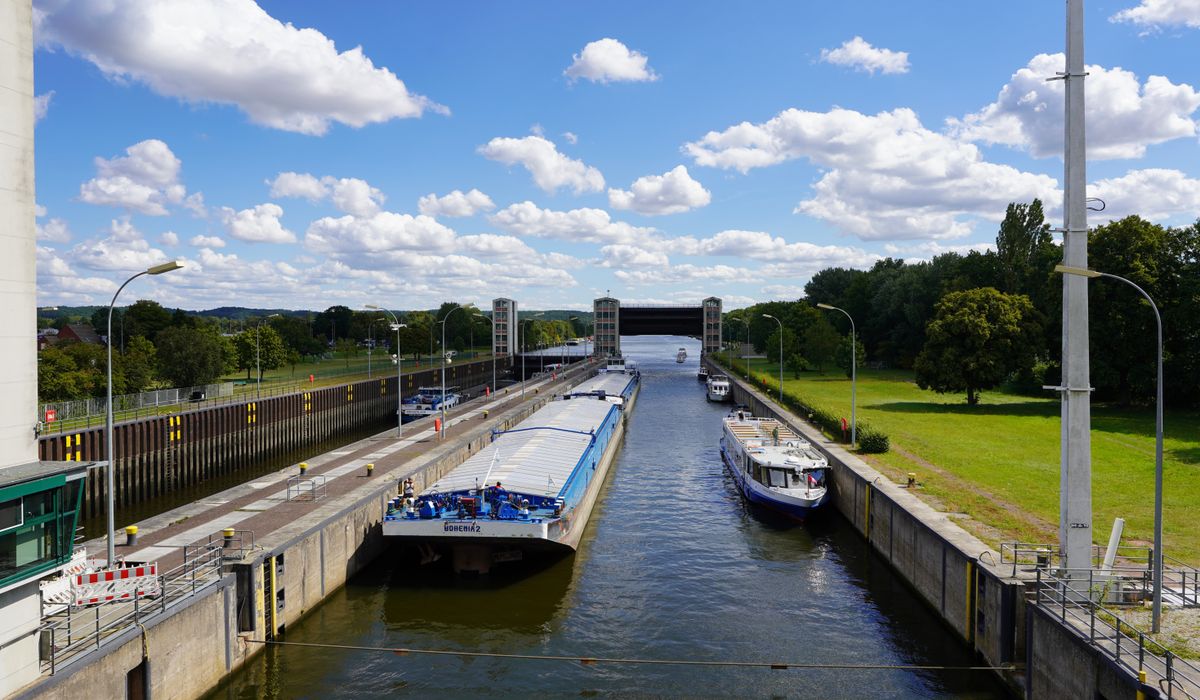
Stand on a quiet towpath today and it is hard to imagine that this same stretch of water once rang with the clatter of boat engines, the shouts of lock keepers and the smell of coal smoke. For nearly a century, Britain’s inland waterways were the arteries of the Industrial Revolution, carrying the raw materials and finished goods that built modern Britain. Their rise was swift, their fall painful, and their legacy is still written into the landscape of every waterside town.
Before canals, moving heavy goods overland was slow and expensive. A single horse could pull a cart carrying perhaps a tonne of coal, and rough roads meant that the price of coal could double within twenty miles of the pit. The solution arrived in the mid-eighteenth century with the first modern canals. The Sankey Brook Navigation opened in 1757, and the Bridgewater Canal followed in 1761, carrying coal from the Duke of Bridgewater’s mines at Worsley into Manchester. The effect was dramatic: the price of coal in the town halved almost overnight.
This success triggered a wave of investment known as “canal mania”. Engineers such as James Brindley and Thomas Telford cut channels through hills, built aqueducts across valleys and drove tunnels beneath moors. By the 1830s, Britain had some 4,000 miles of navigable inland waterway, linking the Midlands coalfields to London, the Potteries to the Mersey, and the mills of Yorkshire to the Humber.
The cargoes were as varied as the industries they served. A typical working boat might carry:
Narrowboats, just seven feet wide to fit the locks, were originally horse-drawn. Families lived in tiny cabins at the stern, often with children steering while parents worked the locks. “Fly boats” ran day and night to carry urgent goods, changing horses at intervals. The Trent & Mersey Canal became known as the “Grand Trunk”, while the Grand Junction Canal carried coal and goods into the heart of London. Every wharf had its own character: a mill, a warehouse, a blacksmith, a pub.
The first railways in the 1830s changed everything. A train could carry far more than a horse-drawn boat, travel faster, and reach places no canal could. Canal companies cut tolls and improved services, but they could not compete. Many were bought out by railway companies, who sometimes let the canals decay deliberately. By the end of the nineteenth century, long-distance general cargo had largely vanished from the waterways.
Some traffic survived into the twentieth century: coal to power stations, aggregates, chemicals and even chocolate crumb on the Shropshire Union. The Second World War brought a brief revival as railways came under strain. But the 1950s and 1960s delivered the final blow. Cheap road haulage and the new motorway network made canal carrying uneconomic for most goods. One by one, the remaining commercial fleets tied up for good. By the 1970s, only a handful of waterways still carried freight in any volume, and many canals had been abandoned or filled in.
The human cost was immense. Wharves that had once handled thousands of tonnes a year fell silent. Warehouses emptied, mills closed and the boatyards that built and repaired narrowboats shut their gates. Families who had lived on the water for generations moved to houses, their skills no longer needed. Lock keepers, wharfingers, blacksmiths and horse keepers lost their livelihoods. Market towns that had grown up around canal trade found themselves bypassed by the railways and then by the roads.
Some places shrank; others turned to new industries. The canal itself often became a neglected, rubbish-filled ditch behind a fence. Yet even in dereliction, the bones of the old trade remained: locks, bridges, mileposts, aqueducts and tunnels, built to last by Victorian engineers.
Today that legacy is all around us. The Anderton Boat Lift, the Pontcysyllte Aqueduct and the Standedge Tunnel are engineering marvels that draw visitors from across the world. Thousands of former wharves and warehouses have been converted into flats, offices, cafés and museums. The canal network itself has become a green corridor for wildlife, a place for walking, cycling, fishing and boating.
Waterside living is now highly desirable, whether in a converted mill, a modern apartment block or a residential narrowboat. If you are considering life afloat, be practical: check mooring rights and council tax, budget for maintenance and blacking, learn how to handle locks and winter ice, and decide between pump-out and cassette toilets. But the rewards are real. You are living inside a working piece of history, on water that once carried coal and grain to build the country. The commercial trade may be gone, but the waterways it created remain one of Britain’s most enduring and beloved assets.


We are not gonna make spamming
