
The Sable Wharf shares practical, down-to-earth guidance on uk inland waterways and waterside living for readers across the UK.
- 0123456789
- Angle Bd Abdelmoumen & rue soumaya, Résidence
- [email protected]
The Sable Wharf shares practical, down-to-earth guidance on uk inland waterways and waterside living for readers across the UK.
 By Sophie Danvers
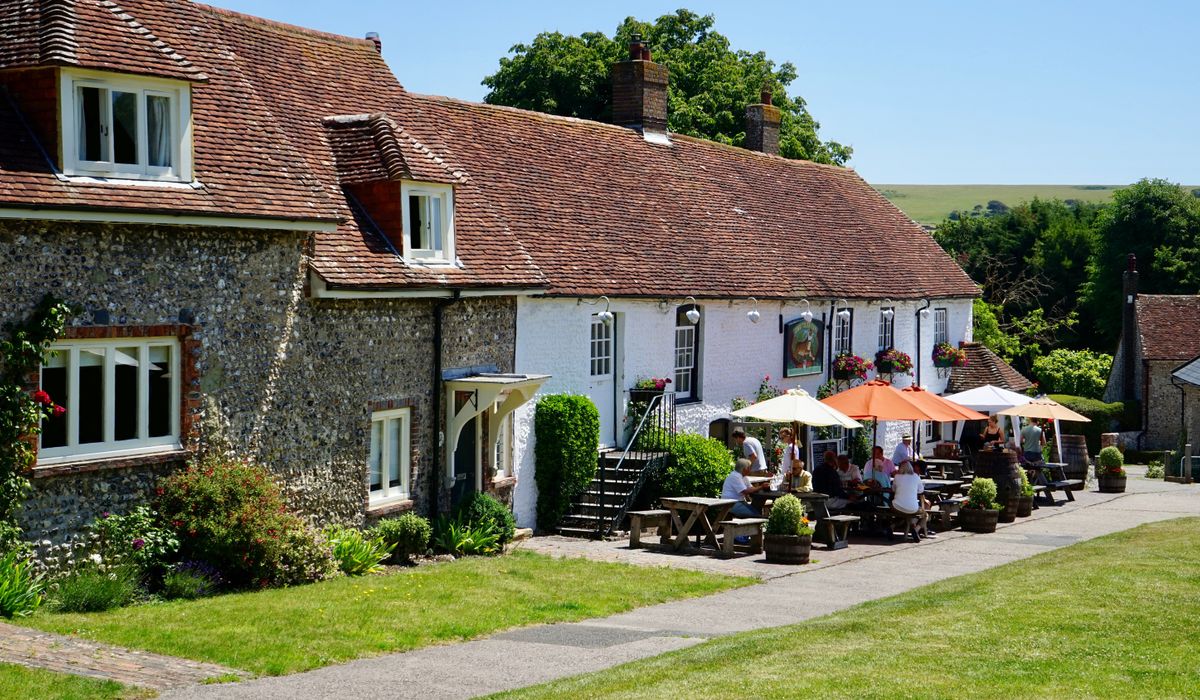
There is a particular kind of contentment that comes from spending a Sunday on the cut. You cast off mid-morning, the engine settles into its steady thrum, and the boat creeps along at walking pace while the hedgerows slide past. Two hours later you tie up, stretch your legs, and sit down to a proper roast with all the trimmings. It is one of the simplest pleasures inland waterways have to offer — and one of the easiest to get slightly wrong.
The trick is not to treat the roast as an afterthought. Plan the day around the table, not the other way round, and the whole thing becomes remarkably civilised.
Roast service is a narrow window. Most pubs serve between noon and 3pm, and many stop taking roast orders earlier — sometimes by half past two, occasionally the moment the beef runs out. If you want a relaxed lunch, aim to be seated by 12.30pm.
A gentler alternative: cruise on the Saturday afternoon, moor within a short walk of the pub, and spend Sunday morning doing nothing more strenuous than boiling the kettle.
Visitor moorings near a well-regarded food pub can be completely full by 11am on a summer Sunday. Bank Holiday weekends are worse still, and popular villages on the main cruising rings are busiest of all.
Outside high summer, the whole business becomes far more forgiving. A roast in late October, with mist on the water and a fire lit inside the pub, is arguably better than anything August can offer.
In summer, book. And book a specific table rather than "somewhere in the garden" — garden seating is usually first-come, first-served, and there is no waiting list once a large party has taken the remaining benches.
When you ring, it is worth mentioning a few practical things in one go:
Leave a mobile number and ask them to call if the table is at risk. A quick word at booking time saves an awful lot of disappointment at ten past two.
The best canal-side roasts are not trying to be clever. They are generous, unfussy, and served hot. Look for beef carved to order, or a slow-cooked shoulder of lamb that falls apart under a spoon. Yorkshire puddings should have seen properly hot fat. Roast potatoes should have crisp, ragged edges rather than a uniform golden sheen.
Beyond that, the details tell you plenty: a jug of gravy that arrives without being asked for, vegetables that are not boiled to a pulp, and at least one credible vegetarian option — a well-made nut roast or mushroom wellington, not a token afterthought. If the pub brews its own beer or keeps a decent local ale on hand, so much the better.
It is also worth asking whether they hold back a table or two for walk-ins. Some do, and boaters turning up on spec are usually welcomed rather than resented.
One pint with a roast is a fine thing. Two pints before negotiating a narrow lock is not. Boat handling demands far more attention than driving, and the consequences of a lapse are considerably wetter.
Do that, and the Sunday roast stops being a nice idea and becomes a fixture of the boating year — the sort of ritual you start planning on a Tuesday.


We are not gonna make spamming
