
The Sable Wharf shares practical, down-to-earth guidance on uk inland waterways and waterside living for readers across the UK.
- 0123456789
- Angle Bd Abdelmoumen & rue soumaya, Résidence
- [email protected]
The Sable Wharf shares practical, down-to-earth guidance on uk inland waterways and waterside living for readers across the UK.
 By James Whitcombe
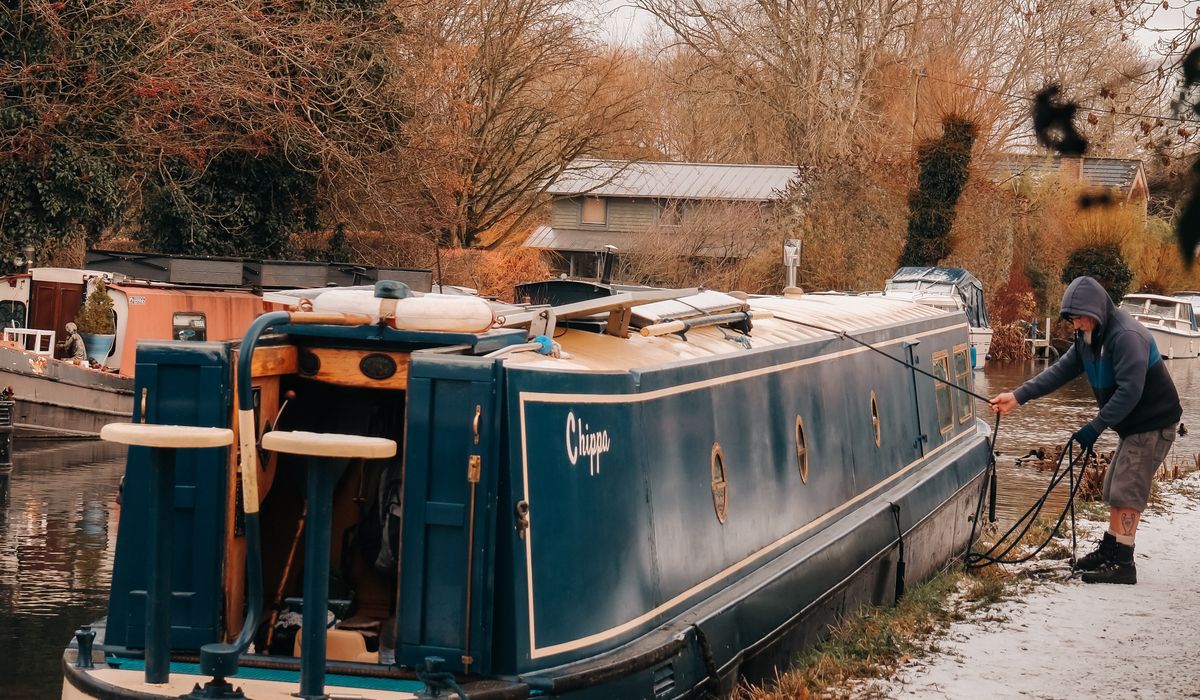
Anyone who has spent a morning on a narrowboat knows the peculiar arithmetic of British waterway weather. The forecast says light showers, so you pack a thin jacket. Three hours later you are standing on a lock beam in horizontal rain with a gust trying to take your hood off, and the sun comes out the moment you have wrestled the tiller under a bridge.
Canals add their own complications. Towpaths funnel wind along the cut, especially on open stretches where there is nothing to break it. Lock chambers trap drizzle and spray. Overhanging trees drip long after the rain has stopped, and low bridges seem to collect water specifically to deposit it on the back of your neck. Add the fact that you are often working with both hands — rope, windlass, tiller — and you quickly understand that umbrellas are a decorative accessory rather than a serious plan.
So the clothing has to work harder than it would on a city commute. It needs to keep rain out, let sweat escape, and stay put while you lean over a lock gate.
The single biggest mistake is buying a jacket that is waterproof but not breathable. It will keep the rain off, and it will also turn into a portable sauna the moment you start walking or working. On a damp, mild day that is genuinely unpleasant, and the sweat you generate makes you colder when you stop.
What you want is a fabric with a waterproof and breathable membrane, sometimes called a laminate or a coated shell. The key figure to look for is the hydrostatic head — a measure of how much water pressure the fabric resists before it leaks. For canal use, treat 10,000mm as a sensible minimum and 20,000mm as genuinely reassuring if you plan to be out in proper weather. Breathability is usually quoted in grams per square metre per 24 hours (g/m²/24h); anything around 10,000g is comfortable for active wear, and higher numbers help on warm, muggy days.
Also check the finish. A durable water-repellent (DWR) treatment makes rain bead and roll off the outer face. When it stops working — the fabric starts looking patchy and "wetting out" — a wash with a technical cleaner and a wash-in reproofer will usually restore it.
A jacket is only as waterproof as its weakest point, and water is remarkably persistent. Seams are stitched with tiny holes, so they need taping: look for fully taped seams rather than critically taped ones if you are serious about staying dry.
Zips matter too. A storm flap over the main zip, ideally with a gutter behind it, makes a real difference in driving rain. Pockets should have water-resistant zips and, on a boat, should be somewhere you can actually reach while wearing a buoyancy aid. Chest pockets that sit clear of a lifejacket harness are more useful than hip pockets hidden underneath it.
A hood that flaps loose is worse than no hood at all. It fills with rain, blocks your vision and makes you irritable — not ideal when you are negotiating a tight bridge hole.
Fit generally: you want room for a fleece underneath but not so much that the jacket billows like a sail. Slightly longer in the body suits life on the water far better than a short, athletic cut.
Wet legs ruin a day as thoroughly as wet shoulders. Over-trousers with taped seams and an elasticated or adjustable waist pack small and cost little. Full-length side zips are worth the extra money — pulling waterproofs on over boots while balanced on a gunwale is not a skill worth learning the hard way.
For footwear, go for wellington boots with a proper grip for slippery wet lock gates, or waterproof boots with a decent tread for walking the towpath. Neoprene-lined wellies keep your feet warmer in cold weather. A dry bag or two for phones, keys and a spare fleece is cheap insurance, and a small towel in the cabin has rescued many a soggy afternoon.
You do not need to spend a fortune, but you do need to think in layers.
Hang everything to dry properly at the end of the day — damp kit left crumpled in a locker goes musty and loses its water repellency. A quick rinse in fresh water now and then keeps zips and fabrics happy.
Get the fundamentals right and a wet day on the cut stops being something to endure. There is a particular pleasure in standing on the stern in steady drizzle, warm and dry, watching the heron on the opposite bank pretend it has not noticed you.


We are not gonna make spamming
