
The Sable Wharf shares practical, down-to-earth guidance on uk inland waterways and waterside living for readers across the UK.
- 0123456789
- Angle Bd Abdelmoumen & rue soumaya, Résidence
- [email protected]
The Sable Wharf shares practical, down-to-earth guidance on uk inland waterways and waterside living for readers across the UK.
 By Oliver Bramley
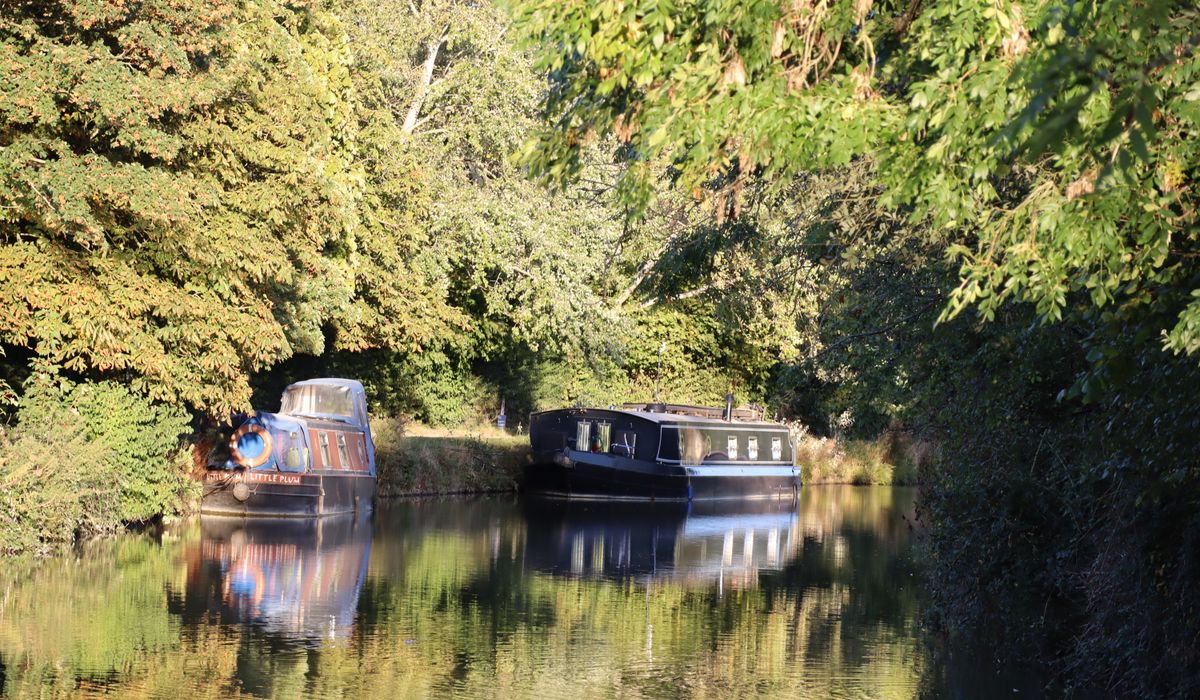
Britain's inland waterways stretch for thousands of miles, and almost every one of them comes with a towpath that was never designed for the traffic it now carries. These were working routes, built for horses hauling narrowboats at a steady plod. Today that same narrow strip of gravel, mud and cracked tarmac has to fit walkers, joggers, cyclists, anglers, dog walkers and boaters, often within a couple of metres of deep water. That is a lot of goodwill packed into a small space, and it works remarkably well most of the time — as long as everyone knows the routine.
This guide is for walkers. Get a few simple habits right and you will enjoy the cut in every season without giving anyone else a fright.
The single most useful rule is also the simplest: keep to the left. Walk on the left-hand side so that people coming towards you pass on your right, exactly as they do on a road without a pavement. Cyclists will usually overtake on your right, so the less you drift about the towpath, the easier everyone's day becomes.
Predictability matters more than politeness. A walker who suddenly leaps into the hedge to make way is far harder to pass than one who simply holds their line. If you want to let someone by, glance behind you first, then step steadily to the left and stop.
A bicycle bell is a warning, not a command. It means the rider has seen you and is asking you not to move unexpectedly. Your job is simply to acknowledge it: a raised hand, a nod, or a glance over your shoulder tells the cyclist you have heard and that they can plan their pass. Plenty of riders approach silently, so keep half an ear out on long straight stretches where speeds pick up.
Blind bends, brick bridges and narrow cuttings are where most near-misses happen. Under a low arch there may be no towpath at all, or a strip so narrow that two people cannot pass, so keep left and duck if the roof is low. On frosty mornings and in the dark months, carry a small torch or a head torch and wear something light-coloured. A bright jacket costs nothing and buys you a great deal of space.
Towpaths and free-running dogs are a poor combination, however well trained the animal. There are hooks, lines, mooring ropes and deep water within a few paces in every direction, and a dog that bolts can pull you in with it.
Anglers with long carbon poles need a surprising amount of room, and they cannot always see what is behind them. Pass behind the angler, never between them and the water, and ask before you do if the bank is narrow. Keep quiet as you go by; a match angler will thank you for it.
Around moored boats, treat everything as private property. Do not step on a gunwale, lean on a handrail, untie a rope or let a child scramble aboard. Mooring lines often cross the towpath — step over them carefully rather than kicking them off their pins. Give a boat that is casting off plenty of room, and stand well back from the edge when anything is moving, because wash from a passing narrowboat has a habit of arriving without warning.
The canal edge is the real hazard, and it is rarely obvious. Clay banks turn to grease after rain, stone copings crumble at the lip, and a grassy margin can hide a vertical drop. Wear boots with proper tread rather than smooth-soled trainers, and never walk along the very edge to make room for someone else.
At locks, use the footbridge or the road bridge. Do not walk across the gates, balance on paddle gear or sit on the balance beams. In winter, ice and frost make everything treacherous, so take a torch, a charged phone and tell someone where you are going. In summer, watch for nettles, ticks and wasps around lock gates. If the water is in flood, turn back — closures are there for a reason.
Finally, if someone does go in, do not follow them. Shout for help, call 999 and ask for the fire and rescue service, and reach or throw something that floats. Lock numbers and towpath marker posts are the quickest way to tell the emergency services exactly where you are.


We are not gonna make spamming
