
The Sable Wharf shares practical, down-to-earth guidance on uk inland waterways and waterside living for readers across the UK.
- 0123456789
- Angle Bd Abdelmoumen & rue soumaya, Résidence
- [email protected]
The Sable Wharf shares practical, down-to-earth guidance on uk inland waterways and waterside living for readers across the UK.
 By Sophie Danvers
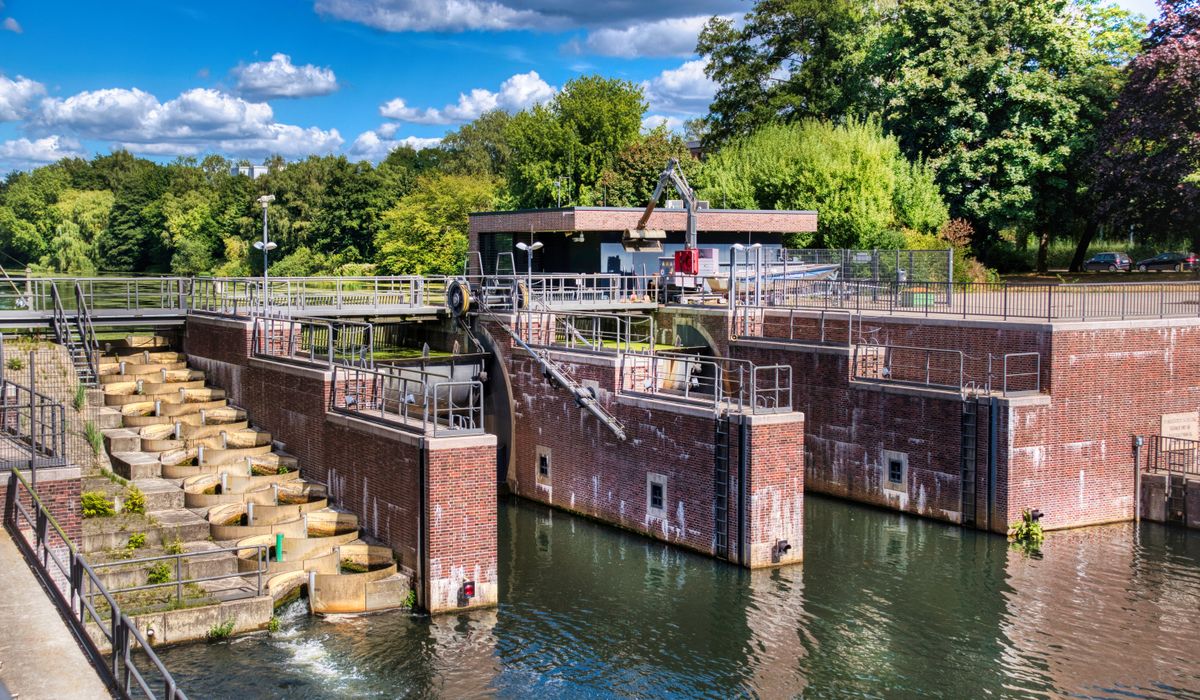
Before the railways, and long before the motorway, Britain moved its goods by water. Coal, timber, grain, salt, china clay, beer and bricks all travelled by narrowboat and barge, and every few miles the canal would widen into a wharf — a place to load, unload, rest and repair. Some were vast, with dozens of boats queueing for a berth. Others were little more than a stone edge and a crane. Many have vanished entirely, filled in or built over. But a surprising number survive, often hiding in plain sight.
The joy of exploring an old wharf is learning to read it. Once you know what to look for, the working past comes back into focus.
You don't need a special guidebook to find a good wharf — but it helps to know where the old trade routes ran. The Grand Union Canal, the Trent & Mersey, the Leeds & Liverpool and the Kennet & Avon all have stretches where the wharfside has been gently repurposed rather than swept away.
At some, you'll find a canalside café in a former grain store, with the original beams still in place. At others, a small museum occupies the old stable block, and the weighbridge office has become a tearoom. Many rural wharves now offer quiet moorings, often with a water point and a rubbish compound where the coal yard used to be. The best are those where you can still see the bones of the place: the cobbles, the cart tracks, the ghost of a doorway that once opened onto a boat.
A good wharf walk is slow. Give yourself an hour for a stretch you could walk in fifteen minutes. Here's a practical approach:
For anyone considering waterside living, an old wharf has a particular appeal. The buildings are often characterful, the moorings are sheltered, and the sense of history is part of the package. But there are practicalities to weigh up.
The best way to honour an old wharf is to use it. Buy a coffee from the café in the old chandlery. Moor up for the night where the coal boats once queued. Take a photograph of the crane, the plaque and the worn coping stones. And if you find a wharf with no interpretation board, consider writing down what you see — the crane maker's name, the date stone, the shape of the buildings. These small records are how forgotten stories get remembered.
Wharves are not museums, and they're not ruins. They're working places that have learned to work differently. Walk them slowly, look carefully, and the canal will tell you what it used to carry.


We are not gonna make spamming
