
The Sable Wharf shares practical, down-to-earth guidance on uk inland waterways and waterside living for readers across the UK.
- 0123456789
- Angle Bd Abdelmoumen & rue soumaya, Résidence
- [email protected]
The Sable Wharf shares practical, down-to-earth guidance on uk inland waterways and waterside living for readers across the UK.
 By James Whitcombe
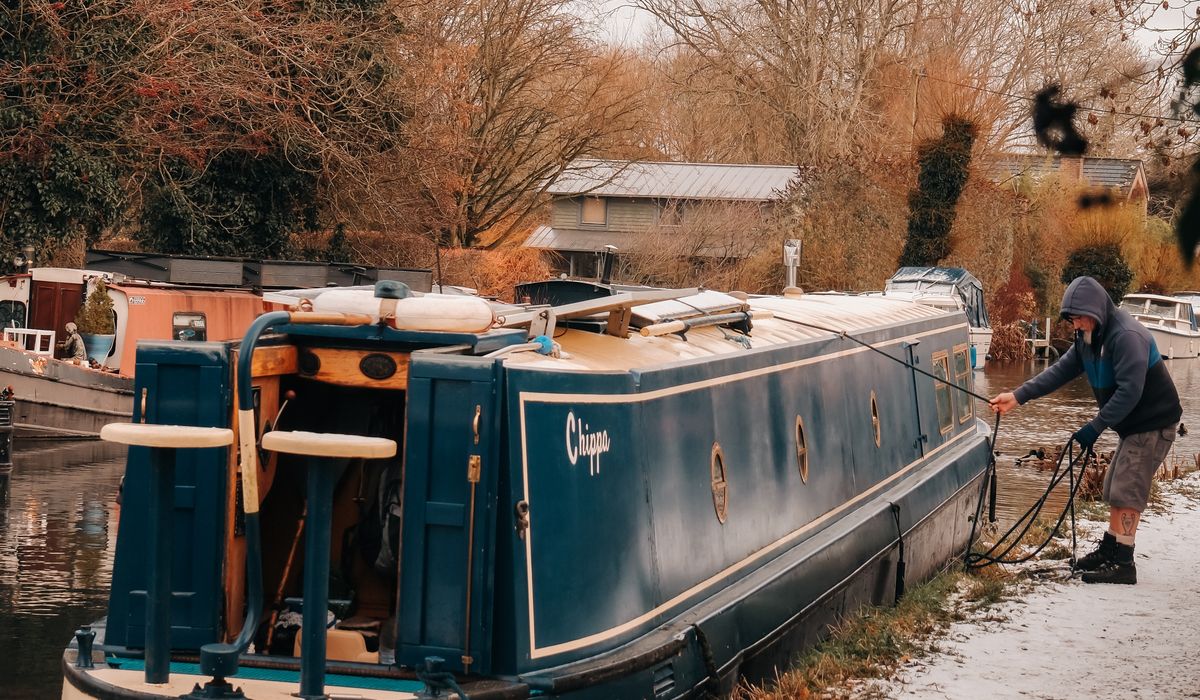
A narrowboat travelling at a steady 3 mph covers roughly twenty miles in a full day — and most experienced boaters would tell you that is too much. The canal network was built for cargo, not for sightseeing, and its rhythm has barely changed in two centuries. Once you accept that a good day might be six miles and four locks, the whole business of planning becomes far more enjoyable.
Begin with an honest calculation. A lock takes around fifteen to twenty minutes with a crew of two, longer if you are single-handing or waiting for a boat coming the other way. A swing bridge, a lift bridge or a short tunnel adds a few minutes each. Multiply your locks by twenty, add your cruising time, and you have a realistic day. If the answer is more than seven hours, cut something out.
It helps to think in terms of lock miles — a rough measure where one lock equals one mile of flat cruising. A comfortable day for most crews sits between eight and twelve lock miles. Anything beyond fifteen stops being a holiday.
The trick to an unhurried journey is to give every day a single purpose, then let everything else arrange itself around it. That purpose might be a flight of locks you want to take in cool morning air, a village you have heard does a decent lunch, or simply a stretch of countryside you would like to walk before the sun goes down.
If you find yourself rushing to reach a planned mooring before dark, your plan was wrong, not your boating.
Rural moorings are the scarcest resource on a slow journey, and the best ones are rarely marked on any map. Official visitor moorings in villages are convenient but often full by mid-afternoon in summer. Online moorings, farm moorings and long stretches of quiet towpath where mooring is permitted usually offer more space and far more peace.
A few habits make life easier:
Ask yourself at four o'clock whether you would be happy to stop here. If the answer is yes, stop. There is always another stretch of water tomorrow.
Nothing spoils a relaxed trip faster than running out of water or discovering the elsan point is three miles back the way you came. Water points on the rural network can be sparse, sometimes a full day's cruising apart, and a boat with four people aboard can empty a tank surprisingly quickly.
Fill up whenever you pass a tap, even if the tank is only half empty. Top up the diesel at the same time if a boatyard is handy. Plan your sanitary station stops in advance, and use the opportunity to take on water, dispose of rubbish and stretch your legs properly.
Keep a simple paper list in the boat — water, diesel, pump-out or cassette, gas, bread, milk — and tick it off as you go. Batteries deserve the same attention: a day of cruising charges them, but a day of mooring with a fridge and a laptop does not.
The pub is not an afterthought in canal planning; it is often the reason the journey works. Rural pubs near the water tend to be small, and a table for six on a Saturday evening is worth booking a day ahead. Lunchtimes are easier, and many welcome muddy boots and damp dogs.
Building your day around a village also gives you somewhere to walk, a shop to restock from, and a reason to stop moving at a sensible hour. Aim to moor within a short walk of your chosen pub rather than right outside it — the towpath in front of a popular waterside inn is often the noisiest and most crowded spot on the cut.
British weather will rearrange your plans, so build slack into the itinerary. Wind is the real enemy of easy steering, particularly on exposed stretches and in wide locks, and a strong crosswind can turn a simple bridge hole into a small drama. If the forecast is poor, plan a shorter day, or plan to stay put.
Carry a little more food than you think you need, a spare set of warm clothes for the person on the tiller, and proper waterproofs rather than the optimistic kind. Keep a torch by the stern doors. Have a windlass each and a spare in the locker.
Above all, resist the urge to fill every hour. The reward of a slow canal journey is not the distance covered but the accumulation of small things — a heron lifting off a bend, a lock keeper's advice, a pint taken while the boat settles on its ropes. Plan enough to feel safe, then leave the rest to the water.


We are not gonna make spamming
